
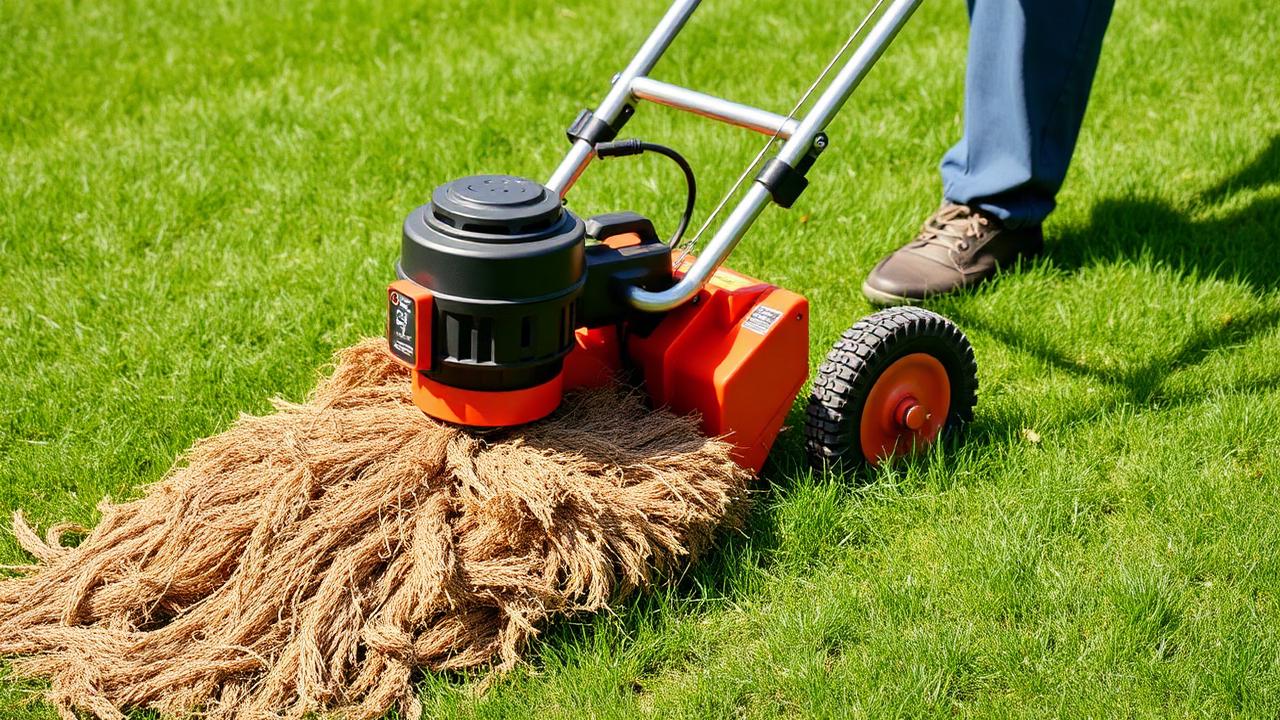
Power Raking & Dethatching
Power Raking That Brings Your Lawn Back to Life
Remove the suffocating layer of dead grass and debris that's keeping your lawn from reaching its potential. Your soil will thank you.
What's Hiding Under Your Grass?
Thatch is a tightly woven layer of dead grass stems, roots, and organic debris that accumulates between the green grass blades and the soil surface. A thin layer is normal and even beneficial. But when it builds up past ¾ of an inch — which happens easily in South Dakota's climate — it becomes a problem.
Thick thatch repels water like a sponge that's already full. Rain and irrigation run off instead of soaking in. Fertilizer sits on top instead of reaching roots. Insects and fungal spores find a warm, damp home. Your lawn looks dull, feels spongy underfoot, and struggles to grow despite your best efforts.
Power raking removes this barrier gently but effectively, using rotating tines that lift dead material to the surface without tearing into healthy root systems. It's less aggressive than full dethatching, making it the right choice for most lawns that need a reset.
Our Power Raking Process
- 1Property assessment — we measure thatch depth at multiple points across your lawn to determine the right tine depth and approach.
- 2Power raking pass — our commercial power rake works across the lawn in overlapping rows, lifting dead material to the surface.
- 3Debris collection — all thatch and debris is vacuumed, raked, and bagged into compostable bags.
- 4High-cut mowing — a light mow collects any remaining loose material and grooms the lawn surface.
- 5Follow-up recommendation — we advise on watering, fertilization, or overseeding to maximize recovery.
Best Timing for Sioux Falls Lawns
Spring power raking (late March–mid April) clears winter debris and opens the lawn for spring green-up. Fall power raking (September) pairs perfectly with overseeding — removing thatch creates better seed-to-soil contact, which is the single biggest factor in successful overseeding results.
We avoid power raking during peak summer heat (June–August) when cool-season grasses are already under stress. Disturbing the turf during heat and drought compounds recovery time and can cause lasting thin spots.
Common Questions
Frequently Asked Questions
Ready to Have the Best-Looking Property on the Block?
Get a free, no-obligation quote and find out why Sioux Falls homeowners and businesses trust Bullseye with their property.