
DIY vs Hiring a Lawn Care Service in Sioux Falls
What makes sense for your yard?
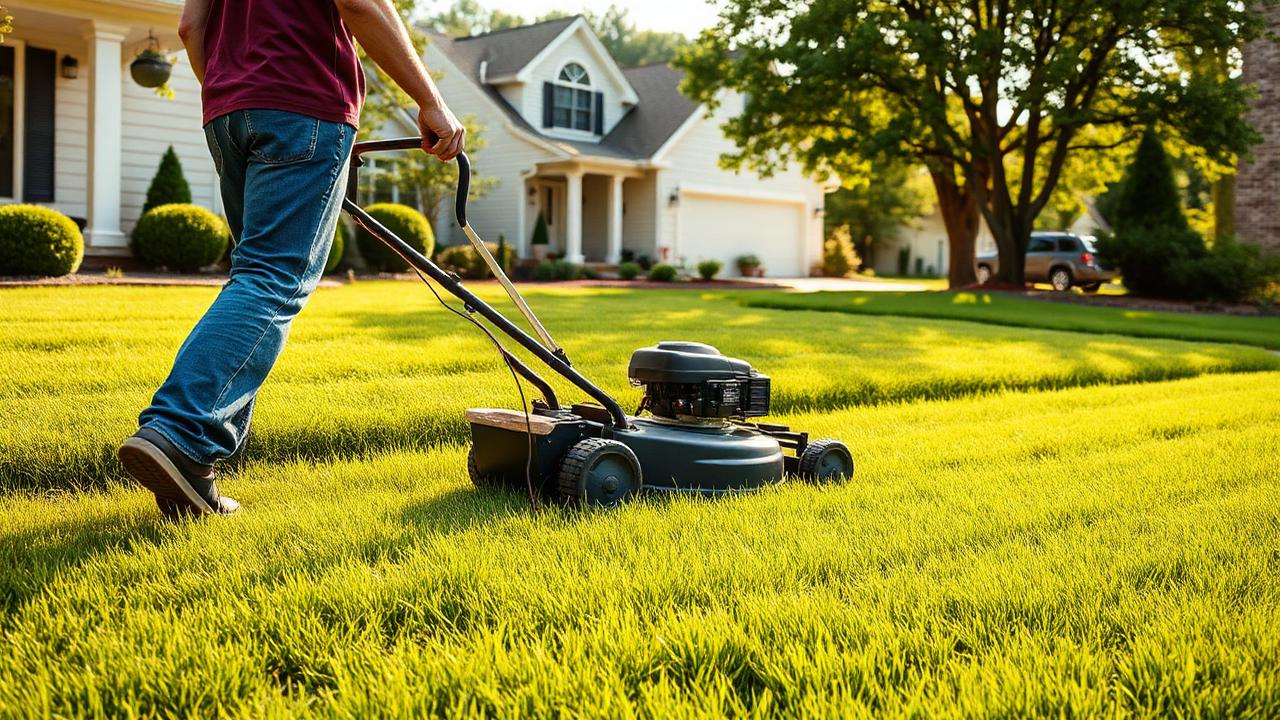
A lot of homeowners ask the same question at some point.
Should I just do this myself, or should I hire someone?
The honest answer is that both options can make sense.
Some parts of lawn care are very doable for a homeowner. Mowing. Basic watering. Seasonal cleanup. Watching for weeds or thin spots. Keeping the yard tidy. Those things are often manageable if you have the time and want to stay hands-on.
Other parts get trickier.
Timing matters. Equipment matters. Diagnosing problems matters. And some jobs only come around once or twice a year, which makes them harder to get right if you are learning on the fly.
That is why this page matters.
The goal is not to push you one way or the other. It is to help you decide what fits your yard, your schedule, your budget, and your tolerance for weekend trial and error.
The short version
You can absolutely take care of your own lawn.
A lot of people do.
But that does not mean every lawn task is equally easy, equally worth doing yourself, or equally forgiving when something goes wrong.
DIY usually makes sense when:
- the lawn is fairly straightforward
- you enjoy yard work
- you have time to stay consistent
- you are comfortable learning as you go
- the problems are minor
Hiring help usually makes more sense when:
- the lawn has recurring problems
- timing really matters
- specialized equipment is involved
- you want better results with less guesswork
- the work keeps getting pushed to next weekend and then never happens
A lot of homeowners end up somewhere in the middle.
And honestly, that is often the smartest place to be.
Step 1: Be honest about what DIY really takes
A lot of people think DIY lawn care is mainly about saving money.
Sometimes it is.
But it also costs time, attention, equipment, storage space, and consistency.
That last one matters more than people think.
Lawn care is usually not hard because one single task is impossible. It is hard because the timing adds up. The mower blade needs sharpening. The sprinklers need checking. The weeds show up when you are busy. The bare spots need attention at the right moment. The leaves pile up faster than expected. The fall window for overseeding comes and goes.
That is where DIY can start feeling heavier than it looked on paper.
So before you decide, it helps to ask a better question.
Not just, "Can I do this?"
Also, "Will I actually keep up with it?"
Step 2: What homeowners can usually handle well
A lot of routine lawn care is very manageable for a homeowner.
That often includes:
- mowing
- basic watering
- seasonal cleanup
- leaf removal
- simple spot seeding
- watching for problem areas
- hand-pulling small weed patches
- basic bed maintenance around the lawn
If your yard is in decent shape and mostly needs steady care, DIY can work very well.
This is especially true if you like being outside, do not mind learning a few seasonal patterns, and want to stay involved in how the yard looks.
For many homeowners, the simple routine work is not the problem.
The bigger issue is the more technical or time-sensitive stuff that shows up a few times a year and affects everything else.
Step 3: What tends to get harder than people expect
This is where lawn care stops being "just mow it and water it."
Some tasks are easy to understand in theory but harder to pull off well in real life.
That usually includes:
- knowing when to seed and when not to
- timing weed control correctly
- figuring out why one part of the lawn keeps failing
- dealing with soggy areas or compaction
- diagnosing disease or insect damage
- deciding when aeration is worth it
- adjusting care for heat, shade, traffic, or changing seasons
- winterizing irrigation systems properly
This is also where homeowners often spend money in the wrong order.
They buy seed before fixing drainage. They spray weeds before fixing mowing habits. They fertilize when the real problem is compaction. They keep patching the same spot without changing what is causing it.
That is not a motivation problem.
It is usually a diagnosis problem.
Step 4: Equipment changes the equation
Some lawn tasks are simple until you think about the equipment.
Mowing is easy enough if you already own a mower that works well for your yard.
But some other jobs are different.
Aeration usually means renting equipment or hiring it out. Overseeding goes better when the prep is done right. Irrigation winterization is not something most people want to guess at. Larger cleanups take more tools, more hauling, and more time than people expect.
That is one reason some homeowners happily do the weekly work themselves but hire out the seasonal jobs.
It is not because they cannot do them.
It is because those jobs are harder to justify for one weekend, one machine rental, and one chance to get it right.
Step 5: Timing matters more than effort
This is one of the biggest differences between DIY and professional care.
A lot of lawn work is not hard because it is physically impossible.
It is hard because the timing matters.
The best results often come from doing the right thing in the right season, not just doing something eventually.
That applies to:
- spring weed prevention
- summer stress management
- fall overseeding
- aeration
- fertilizer timing
- irrigation shutdown
- final mowing before winter
A homeowner can absolutely learn that timing.
But it takes attention.
And if life is busy, this is often where things slip. Not because you do not care. Just because lawn timing rarely waits for a more convenient weekend.
Step 6: Hiring makes the biggest difference when the lawn has real problems
If the lawn is basically healthy, DIY may be enough.
If the lawn has recurring issues, professional help becomes more valuable.
That is especially true when you are dealing with:
- large thin areas
- drainage problems
- repeated weed pressure
- compaction
- disease concerns
- insect damage
- irrigation issues
- worn paths and traffic damage
- areas that never seem to improve no matter what you try
In those cases, the value is not just labor.
It is getting the diagnosis right and having a plan that fits the actual problem.
That is often where hiring help saves the most frustration.
Step 7: Think about cost the right way
DIY is not free.
It may still cost less. But it is not free.
There is the mower. The trimmer. The spreader. The seed. The fertilizer. The irrigation repairs. The aerator rental. The bags. The gas. The maintenance. The storage. The weekends.
Then there is the hidden cost of doing the same job twice because the first fix did not address the real issue.
Hiring a lawn care service is obviously an added expense.
But for some homeowners, it saves money in a different way. Less wasted product. Fewer wrong turns. Better timing. Less equipment to own. Less rework.
The best comparison is usually not just price.
It is price plus time plus effort plus confidence in the result.
Step 8: You do not have to choose one extreme
This is where a lot of homeowners land.
They do some of the work themselves and hire out the rest.
That might look like:
mowing and watering yourself
+ hiring out fertilization and weed control
doing basic cleanup yourself
+ hiring aeration and overseeding
handling the lawn routine yourself
+ bringing in help when the lawn starts showing real problems
taking care of the turf yourself
+ hiring out irrigation startup and winterization
This kind of split often makes a lot of sense.
You stay involved in the parts that are simple or enjoyable, and you get help with the jobs that are more technical, more time-sensitive, or harder to recover from if they go wrong.
For a lot of homeowners, that is the best balance.
Step 9: DIY makes more sense for some people than others
Some homeowners genuinely enjoy this stuff.
They like the process. They like learning the yard. They like making adjustments and seeing the results over time. If that is you, DIY can be very rewarding.
Some homeowners do not want a new hobby.
They want a lawn that looks good, stays healthy, and does not eat their free time. That is a perfectly reasonable goal too.
Neither approach is more correct.
The better question is which one fits your life.
If yard work feels satisfying, DIY may be a great fit.
If it feels like one more thing hanging over the weekend, bringing in help may be the better choice.
Step 10: The best option is the one that actually gets done well
This is really the bottom line.
A perfect DIY plan that never gets followed is not better than a simpler professional plan that gets done on time.
And a hired service that is not thoughtful, not reliable, or not paying attention to your yard is not automatically better than a homeowner who knows the property well and stays consistent.
The real goal is not to win some purity contest about lawn care.
The goal is to have a healthy yard that fits your life and gets the attention it needs.
That is it.
Watch Out
Common DIY mistakes
Doing everything yourself even when one task keeps going wrong
Sometimes the smartest move is getting help with the part that keeps stalling or failing.
Buying products before identifying the problem
A lot of lawn frustration comes from fixing symptoms instead of causes.
Waiting too long on seasonal work
In lawn care, timing often matters as much as effort.
Underestimating equipment needs
Some jobs are easy to talk about and harder to actually do without the right tools.
Treating the whole lawn the same
Different areas often need different approaches.
Letting lawn care turn into constant trial and error
If the same issue keeps coming back, it may be time for a better diagnosis instead of another guess.
When it makes sense to call a pro
It may be worth bringing in a lawn care service if:
- the lawn has recurring problems
- you are tired of guessing
- you do not have time to stay consistent
- you want help with seasonal timing
- specialized equipment is involved
- the yard needs a recovery plan, not just routine maintenance
- you want the results without taking on the whole learning curve yourself
A good service should not just do the work.
It should make the yard easier to understand and easier to keep healthy.
Bottom line
DIY lawn care can work very well.
So can hiring help.
The right choice depends on your lawn, your time, your equipment, your budget, and how much of the process you actually want to manage yourself.
If the lawn is straightforward and you enjoy the work, DIY may be a great fit.
If the yard has bigger issues, the timing keeps slipping, or you want less guesswork, professional help can make a big difference.
And for a lot of homeowners, the best answer is not all one way or all the other.
It is a smart mix of both.
Want help with the parts that are not worth doing yourself?
If you want help with the parts of lawn care that are taking the most time, causing the most frustration, or not getting the results you want, we can help. We provide lawn care and landscaping services in Sioux Falls and surrounding areas.