
Spring Lawn Care in Sioux Falls: What To Do First
Learn what to do first in spring to help your Sioux Falls lawn recover from winter, prevent weeds, and grow strong.
Spring is when a lot of homeowners start to panic.
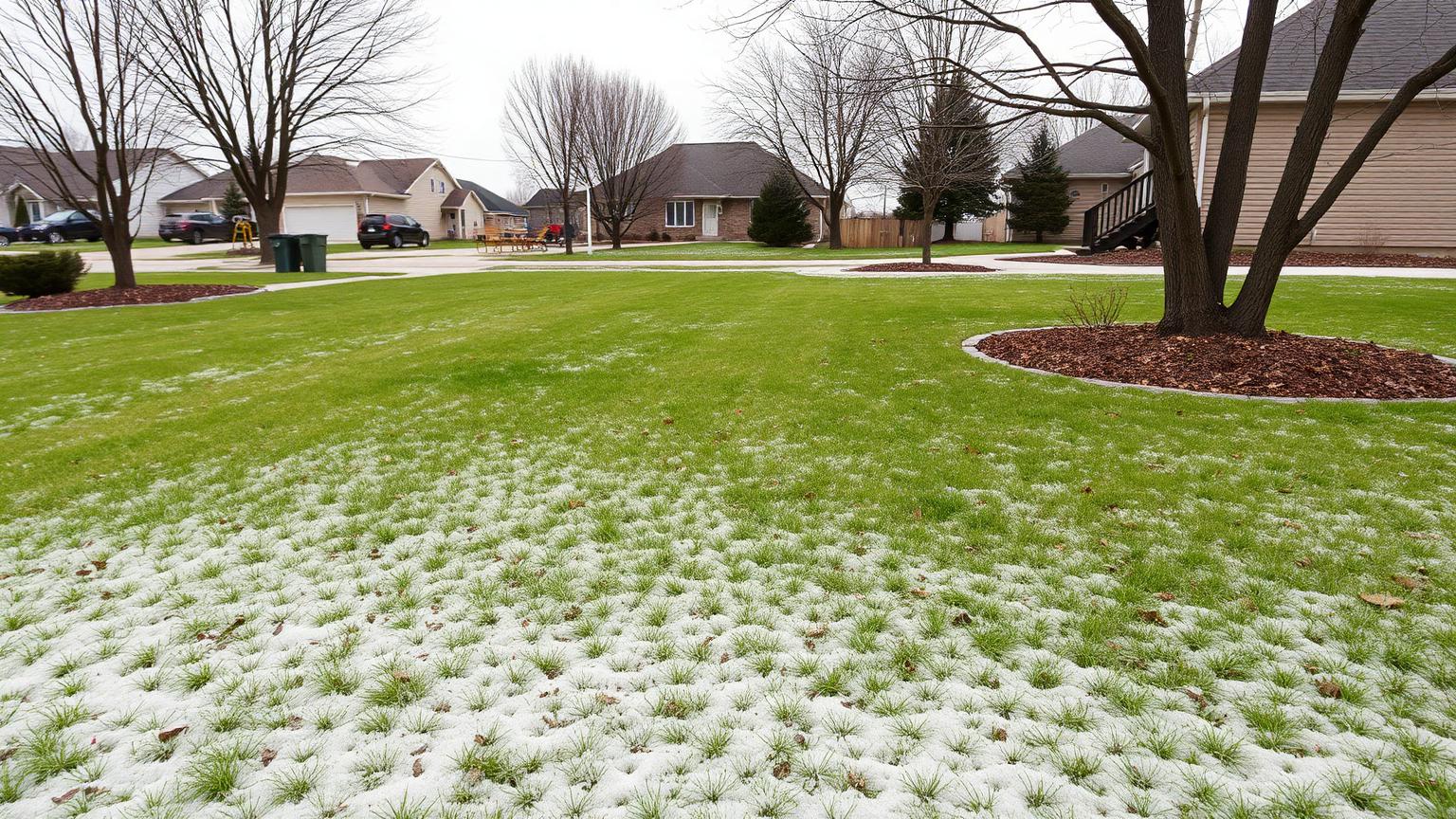
The snow melts and the lawn looks rough. Maybe it is flat, patchy, pale, soggy, or full of leaves. Maybe there are bare spots. Maybe there are puddles. Maybe the grass looks half asleep while weeds are already showing up.
That part is normal.
A Sioux Falls lawn usually does not need a miracle in spring. It just needs the right start.
The goal is simple. Clean things up. Avoid causing damage. Help the lawn wake up strong.
The short version
If you only remember one thing, remember this:
Do not try to force your lawn in spring.
A lot of spring damage comes from doing too much too early. Walking on saturated soil. Raking too aggressively. Fertilizing on autopilot. Seeding in the wrong places. Cutting the grass too short because it looks messy.
Spring lawn care is not about doing everything at once.
It is about doing the right things in the right order.
Wait until the lawn is ready
It is tempting to get outside the first nice weekend and start working on the yard.
Try not to rush it.
If the ground is still soft, muddy, or spongy, heavy foot traffic can make things worse. Wet soil compacts easily, and compacted soil makes it harder for roots to grow and harder for water to move through the lawn the way it should.
Start by walking the yard slowly.
Look for soft areas, soggy spots, and places where water is sitting longer than it should. If the lawn still feels saturated, give it a little more time before doing the heavier work.
Good spring lawn care starts with good timing.
Clean up winter debris
Once the lawn firms up a bit, start with the easy win.
Pick up sticks, branches, and leftover debris. Clear leaves from corners and edges. If the grass is matted down from winter, gently rake it just enough to loosen things up and let in some air and light.
You are not trying to tear the yard apart.
You are just helping it breathe again.
This step also helps you actually see what is going on. Once the surface is cleaned up, it becomes much easier to spot drainage issues, thin areas, bare patches, and other problems that were hidden under the mess.
Look for the real problem
Not every ugly patch is just a grass problem.
Sometimes the issue is standing water. Sometimes it is shade. Sometimes it is soil compaction. Sometimes it is just an area that gets walked on over and over again.
This is where a lot of homeowners waste time.
They throw seed on every rough-looking spot without asking why that area struggled in the first place. If the real problem is poor drainage or constant traffic, new seed alone is not going to solve it.
Before you fix the surface, take a minute to figure out what is causing the problem underneath.
Get the mower ready
A lot of lawns get stressed early in the season because the mower is not ready.
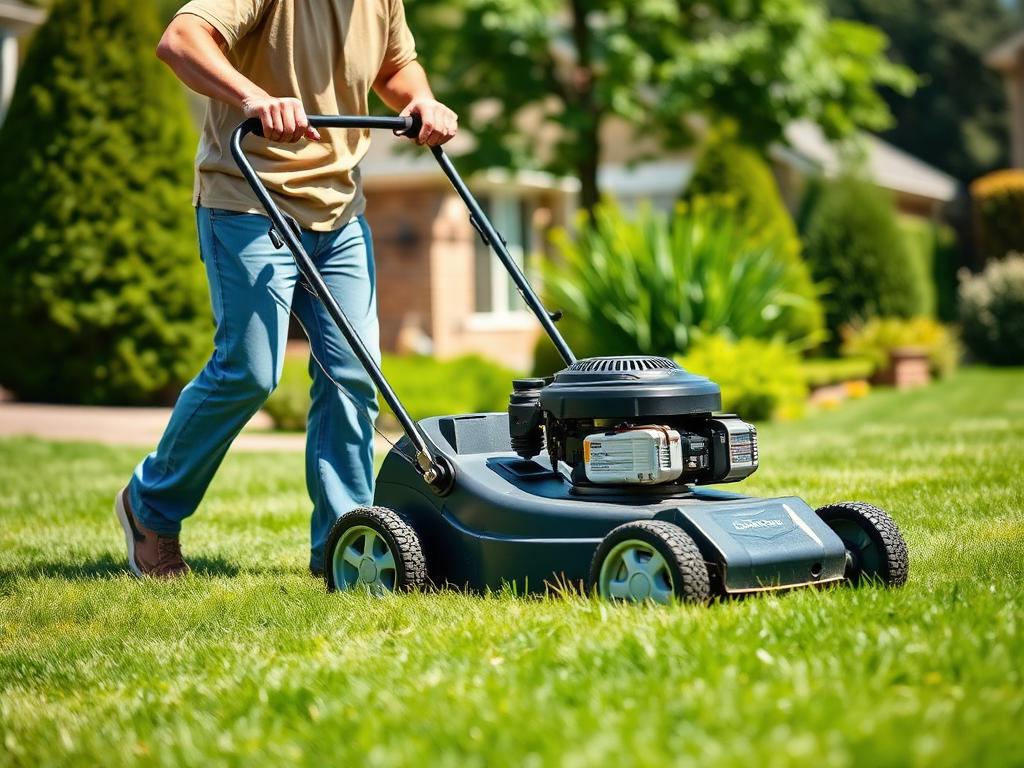
Before the grass really starts growing, make sure your mower is in good shape. Sharpen the blade. Clean things up. Handle any routine maintenance. Then plan to mow on the taller side once regular mowing begins.
One of the biggest mistakes homeowners make in spring is scalping the lawn because they are tired of looking at winter damage.
That usually backfires.
Taller grass protects the soil, handles stress better, and helps crowd out weeds. Short mowing does the opposite.
A good rule is simple: do not cut off too much at once, and do not mow shorter just because the lawn looks messy after winter.
Fix bare spots, but keep it realistic
Spring is a fine time to patch a few small bare areas.
If you have a couple thin spots, loosen the surface, add seed, and keep that area consistently moist while it gets started. Small repairs can do well if you stay on top of them.
But if the whole lawn is thin, weak, or full of weeds, spring is not always the best time for a big reset.
That is where many homeowners get frustrated. They try to completely renovate the lawn in spring, then wonder why results feel uneven.
Spring is good for patching.
Bigger recovery work is often better saved for the right season.
Be careful with spring fertilizer
Fertilizer can help, but more is not always better.
A lot of homeowners apply it automatically the minute spring arrives. That sounds proactive, but it is not always smart. If the lawn is just starting to wake up, pushing too much growth too early can create problems instead of solving them.
This is one of those places where patience matters.
If your lawn looks weak or pale, there may be a good reason to feed it. But if it is greening up normally, you may not need to rush.
The point is not to avoid fertilizer. The point is to use it with purpose.
Time crabgrass prevention correctly
Crabgrass prevention is all about timing.
If you use a pre-emergent product, it needs to go down before crabgrass gets started. Too early and it may not last as well as you want. Too late and you may miss the window.
There is one more thing to remember.
Pre-emergent and new seed usually do not mix well in the same area. If you are planning to seed a section of lawn, be careful not to block that seed from getting established.
That is why spring lawn care often involves choosing a priority. In one area, your priority may be weed prevention. In another, it may be getting new grass started.
Water the right way
Spring usually brings more moisture than summer, so most established lawns do not need a heavy watering routine right away.
New seed is different.
Seeded areas need steady moisture while they get started. Established grass usually does better with deeper, less frequent watering once things warm up.
The mistake is going too far in either direction.
Do not let new seed dry out.
But do not keep your whole lawn soggy just because you are in spring mode.
Start weed control with the basics
A lot of weed problems start because the lawn is thin, stressed, or cut too short.
Before jumping straight to chemicals, make sure the basics are working for you:
- Mow high
- Improve lawn density
- Patch thin areas
- Keep watering habits consistent
- Hand-pull obvious weeds where practical
Chemical weed control can have a place. But it works best when the lawn itself is also getting healthier.
A thick lawn is one of the best weed-control tools you have.
Common spring mistakes
Starting too early
If the lawn is still saturated, you can do more harm than good.
Scalping the lawn
Cutting the grass too short weakens it and makes weeds more likely.
Seeding without fixing the cause
Bare spots often have an underlying issue like water, shade, or traffic.
Fertilizing on autopilot
Spring feeding should be intentional, not automatic.
Trying to do everything at once
The best spring lawns usually come from a few smart steps, not one giant weekend of overcorrection.
When it makes sense to call a pro
You probably do not need help for a couple small bare spots or a standard spring cleanup. But it may be worth calling a professional if:
- Parts of the yard stay wet after every rain
- Large areas are thin or dead
- Weeds are spreading faster than the grass
- You are not sure whether the problem is disease, insects, compaction, or something else
- The lawn has several different problems happening at once
Sometimes the most valuable thing is getting the diagnosis right from the start.
Bottom line
Spring lawn care in Sioux Falls is not about doing everything.
It is about doing the next right thing.
Clean up the yard. Stay off wet soil. Mow high. Patch what makes sense. Be smart about weeds. Do not overreact.
Give the lawn a good start, and it will have a much better chance to grow in strong.
Need help this spring?
If your lawn needs help this spring and you would rather skip the guesswork, we can help. We provide lawn care and landscaping services in Sioux Falls and surrounding areas.