
Summer Lawn Care in Sioux Falls: How To Protect Your Lawn When It Gets Hot
Learn how to protect your Sioux Falls lawn during summer with simple advice on watering, mowing, weeds, heat stress, and recovery.
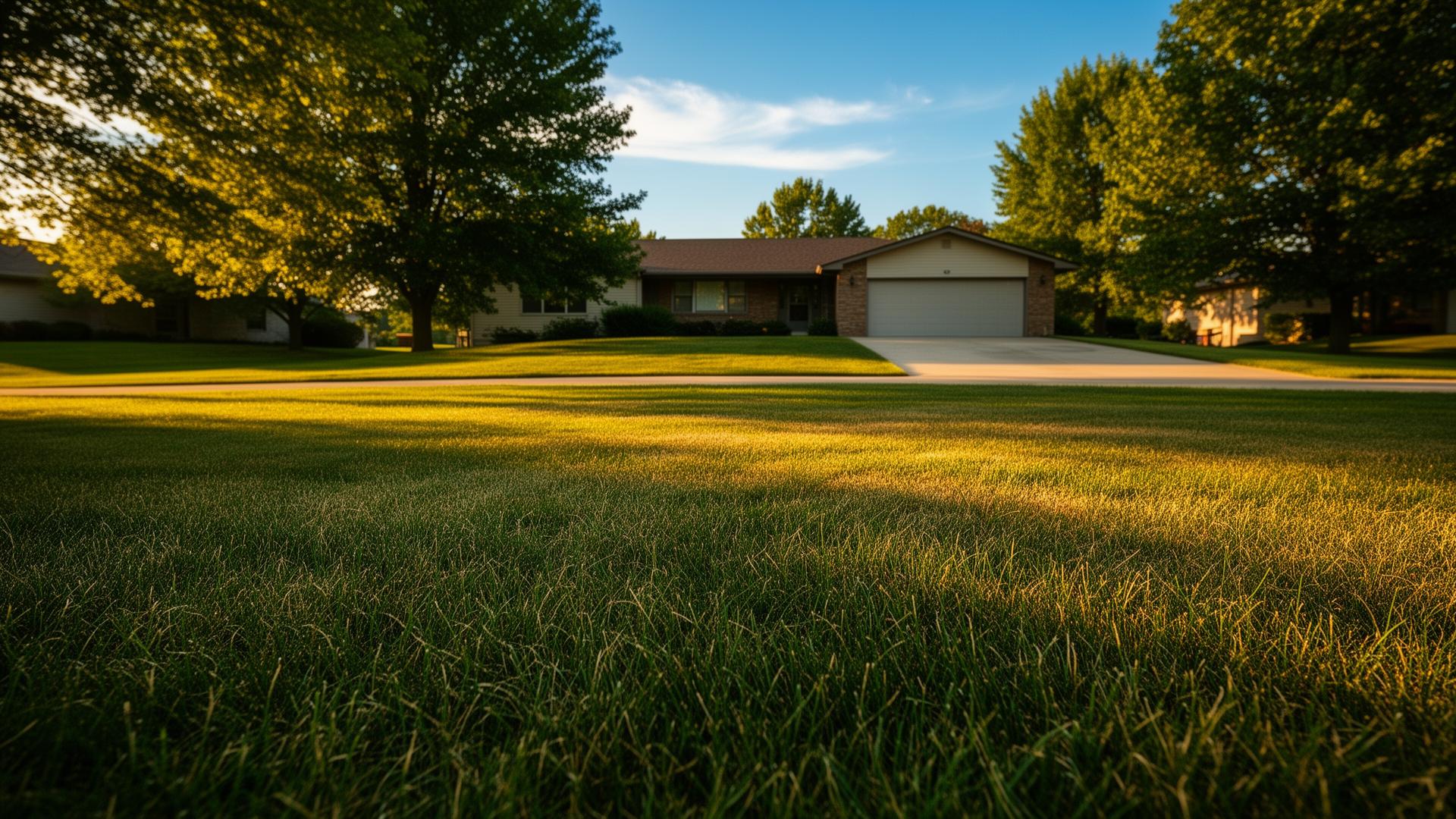
Summer is when a lot of lawns start to slip.
Spring growth slows down. Heat moves in. Rain gets less reliable. Kids are in the yard more. Dogs run the same path over and over. Then suddenly the lawn that looked pretty good in May starts looking tired, thin, or patchy by July.
That is normal.
Most lawns in Sioux Falls are made up of cool-season grasses. That means they grow best in the cooler parts of spring and fall, then slow down when summer heat shows up.
So summer lawn care is not really about pushing for perfect growth.
It is about protecting the lawn from stress, avoiding mistakes that make things worse, and helping it make it to fall in decent shape.
The short version
If spring is about getting the lawn going, summer is about not beating it up.
A lot of summer lawn damage is self-inflicted. Mowing too short. Watering too often but too lightly. Fertilizing during hot weather. Spraying weeds at the wrong time. Expecting cool-season grass to act like it is still May.
The better approach is simpler.
Mow a little higher. Water deeply when needed. Keep your mower blade sharp. Go easy on fertilizer. Stop trying to force growth during the hottest part of the season.
Expect slower growth
One of the biggest summer mistakes is assuming the lawn is failing just because it is not growing like it did in spring.
Cool-season lawns naturally slow down in summer heat. That does not always mean something is wrong. It often just means the lawn is responding the way it normally does this time of year.
So before you panic, zoom out.
A lawn that grows more slowly in July is not automatically unhealthy. It may just be trying to get through the hottest stretch of the season.
Water deeper, not constantly
Summer watering is where a lot of homeowners either overdo it or underdo it.
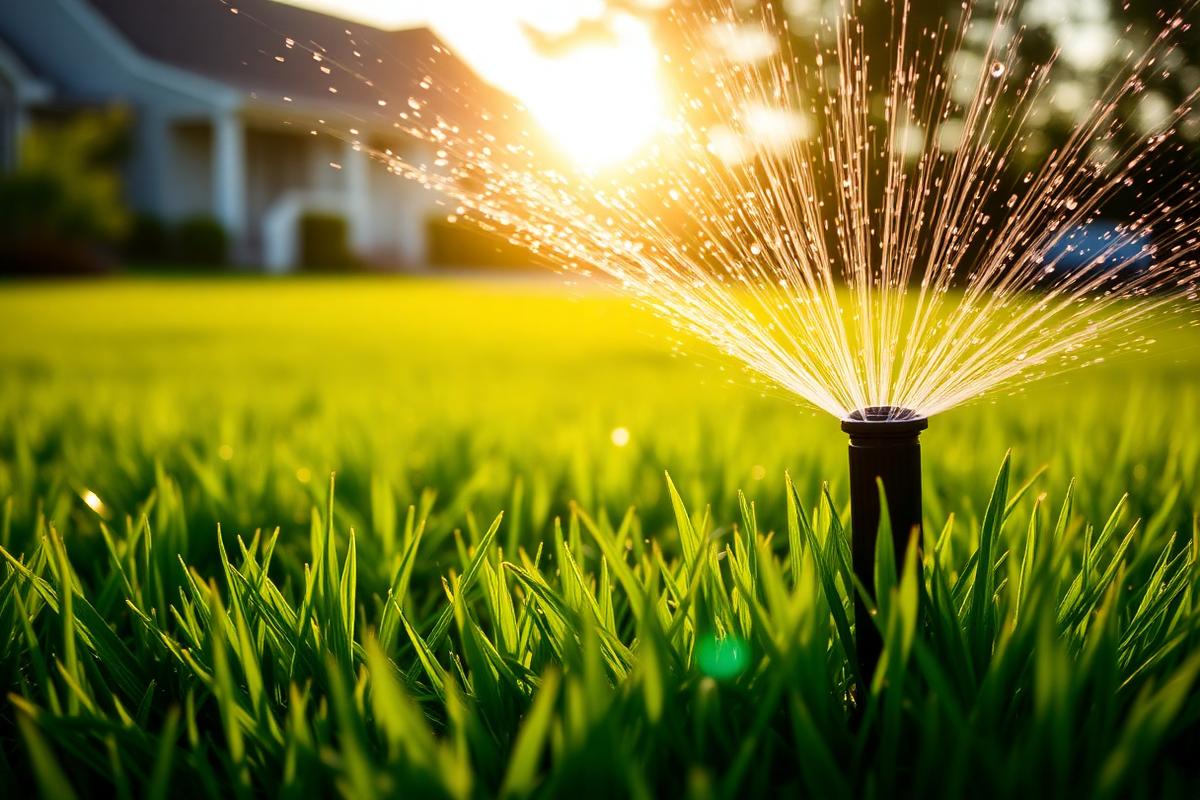
When your lawn needs water, it is usually better to water thoroughly than to give it a little every day. Deep watering helps encourage stronger roots and a more resilient lawn.
Early morning is usually the best time to water. That gives the lawn time to absorb moisture before the hottest part of the day and helps reduce waste from evaporation.
If you use sprinklers, pay attention to runoff. If water starts running down the driveway or into the street, it is not helping your lawn. Watering in shorter cycles with time in between can help the soil soak it in more effectively.
Decide whether you are keeping it green or letting it rest
This is something a lot of homeowners do not think about.
During a hot, dry summer, some lawns go dormant. That does not always mean the grass is dead. It may just mean the lawn is slowing down and conserving energy until cooler weather returns.
That gives you two basic options.
You can water enough to keep the lawn greener and more active.
Or you can let it go a little dormant and focus on helping it survive until conditions improve.
Neither approach is automatically wrong. The important part is being intentional. A lawn that is allowed to rest needs a different mindset than one you are trying to keep green all summer.
Raise your mowing height
This is one of the easiest summer wins.
When the weather gets hot, taller grass usually performs better. It shades the soil, holds moisture more effectively, and helps reduce stress on the lawn.
A lot of people make the mistake of mowing shorter in summer because they think it will buy them more time between cuts or make the lawn look cleaner.
Usually it does the opposite.
Short grass dries out faster, gets stressed faster, and leaves more room for weeds to move in.
In summer, a little extra height usually helps.
Keep your mower blade sharp
A dull mower blade tears grass instead of cutting it cleanly.
That matters even more in summer because torn grass loses moisture faster and tends to look rough, frayed, or faded after mowing.
If your lawn looks stressed right after a mow, the problem may not be the heat alone. It could be your mower blade.
A sharp blade gives you a cleaner cut and puts less stress on the lawn.
Leave the clippings when it makes sense
You do not need to bag every clipping all summer.
If you are mowing regularly and not removing too much at once, grass clippings can break down quickly and return nutrients back to the soil.
That is an easy win.
But use some common sense.
If the lawn got too long and the clippings are heavy, wet, or clumped, do not leave piles all over the yard. Break them up, mow again, or clean them up so they do not smother the grass underneath.
Go easy on fertilizer in the heat
Summer is usually not the time to push a cool-season lawn hard.
When the lawn is already stressed by heat, heavy fertilizer can create more problems instead of solving them. If the grass looks tired in July, the answer is usually not to force more growth.
Most of the time, better mowing and better watering matter more than feeding the lawn during the hottest stretch of summer.
This is one of those seasons where patience pays off.
Be smart about summer weeds
Summer weeds usually show up where the lawn is already losing ground.
Thin turf. Scalped areas. Dry spots. Weak edges. Bare patches. Those are the places where weeds see an opening.
That is why a healthy lawn is one of your best weed-control tools. Taller mowing, consistent watering, and stronger turf make it harder for weeds to take over.
This is also a season to be careful about timing. If the lawn is stressed and the temperatures are high, aggressive weed treatment can sometimes do more harm than good.
A lot of summer weed control comes back to one basic idea: strengthen the lawn first.
Watch the high-traffic areas
Summer is when the lawn actually gets used.
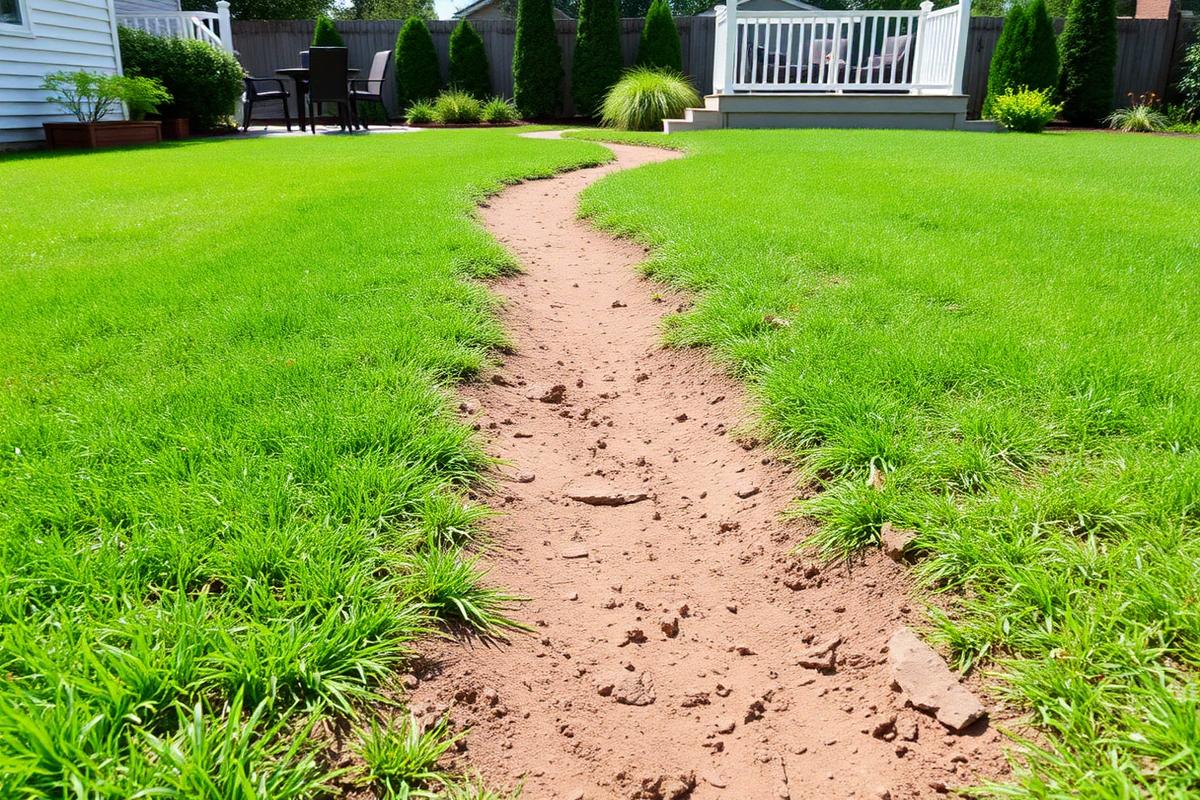
That is a good thing. But it also means certain spots can wear out fast. The side yard. The gate area. The stretch between the patio and the playset. The path the dog runs every day.
Those areas often struggle for a reason.
If a section of lawn gets pounded every day, the answer may not be more seed. It may be a stepping stone path, mulch, edging, or simply a different traffic route.
Sometimes the smartest lawn decision is admitting that one area wants to be something other than grass.
Pay attention to sun, shade, and sprinkler coverage
Not every part of the yard lives under the same conditions.
Sunny sections dry out faster. Shady sections stay damp longer. Some areas get great sprinkler coverage. Others barely get touched.
That is one reason a lawn can look healthy in one section and stressed in another.
When you notice uneven color or uneven growth, do not assume the whole yard needs the same fix. Sometimes the problem is as simple as one dry zone, one shady corner, or one area where the sprinkler pattern is not doing what you think it is doing.
Know when the lawn needs diagnosis, not guessing
By mid-summer, a stressed lawn can start to look the same from a distance.
Brown spot. Thin spot. Dry spot. Patchy area.
But the right fix depends on the cause.
It could be drought stress. It could be compacted soil. It could be dull mower blades. It could be uneven watering. It could be weeds taking over thin turf. And sometimes it really is disease or insect damage.
The mistake is treating every problem the same.
Before you start throwing products at the lawn, take a minute to figure out what is actually going on.
Use summer to plan the fall comeback
This is the part a lot of homeowners miss.
If your lawn takes a hit in summer, that does not mean you have to fix everything right away. In fact, trying to do a full reset in the middle of the heat usually leads to frustration.
Summer is often about protecting what you have and making a plan for fall.
If the lawn is thin, patchy, or worn down by August, that is often a sign to line up overseeding, repair work, aeration, or other bigger improvements for the next season.
Sometimes the best summer lawn care move is simply setting up a better fall.
Common summer mistakes
Mowing too short
Short grass dries out faster and struggles more in the heat.
Watering lightly every day
Shallow watering often leads to shallower roots and a weaker lawn.
Fertilizing during hot weather
Trying to force growth in peak summer heat usually backfires.
Ignoring mower maintenance
A dull blade adds stress at exactly the wrong time.
Treating every brown patch the same
Not every problem is drought, and not every patch needs the same fix.
Trying to renovate the whole lawn in July
Big repair work is usually better saved for a better season.
When it makes sense to call a pro
You may be fine handling summer lawn care yourself if the issues are minor and you just need to adjust mowing or watering. But it may be worth calling a professional if:
- Large areas are browning out and you are not sure why
- Sprinkler coverage seems uneven
- Weeds are spreading fast through thin turf
- High-traffic areas are turning into dirt paths
- You suspect disease, insects, or compaction
- The lawn clearly needs a bigger recovery plan
Sometimes the most valuable thing is not a treatment. It is a clear diagnosis and a smart plan.
Bottom line
Summer lawn care in Sioux Falls is mostly about restraint.
Do not scalp the lawn. Do not overfeed it. Do not assume every brown spot means failure. Do not try to force cool-season grass to behave like it is spring.
Mow a little higher. Water with purpose. Keep your mower sharp. Protect the high-traffic areas. Then use the second half of summer to decide what deserves a real reset in fall.
That is usually how a lawn gets through summer without turning into a full repair project by August.
Lawn struggling in the heat?
If your lawn is struggling in the heat and you would rather skip the guesswork, we can help. We provide lawn care and landscaping services in Sioux Falls and surrounding areas.