
Fall Lawn Care in Sioux Falls: The Season That Sets Up Next Year
Learn how to repair, strengthen, and prepare your Sioux Falls lawn for winter with simple fall lawn care tips on overseeding, aeration, fertilizing, mowing, and cleanup.
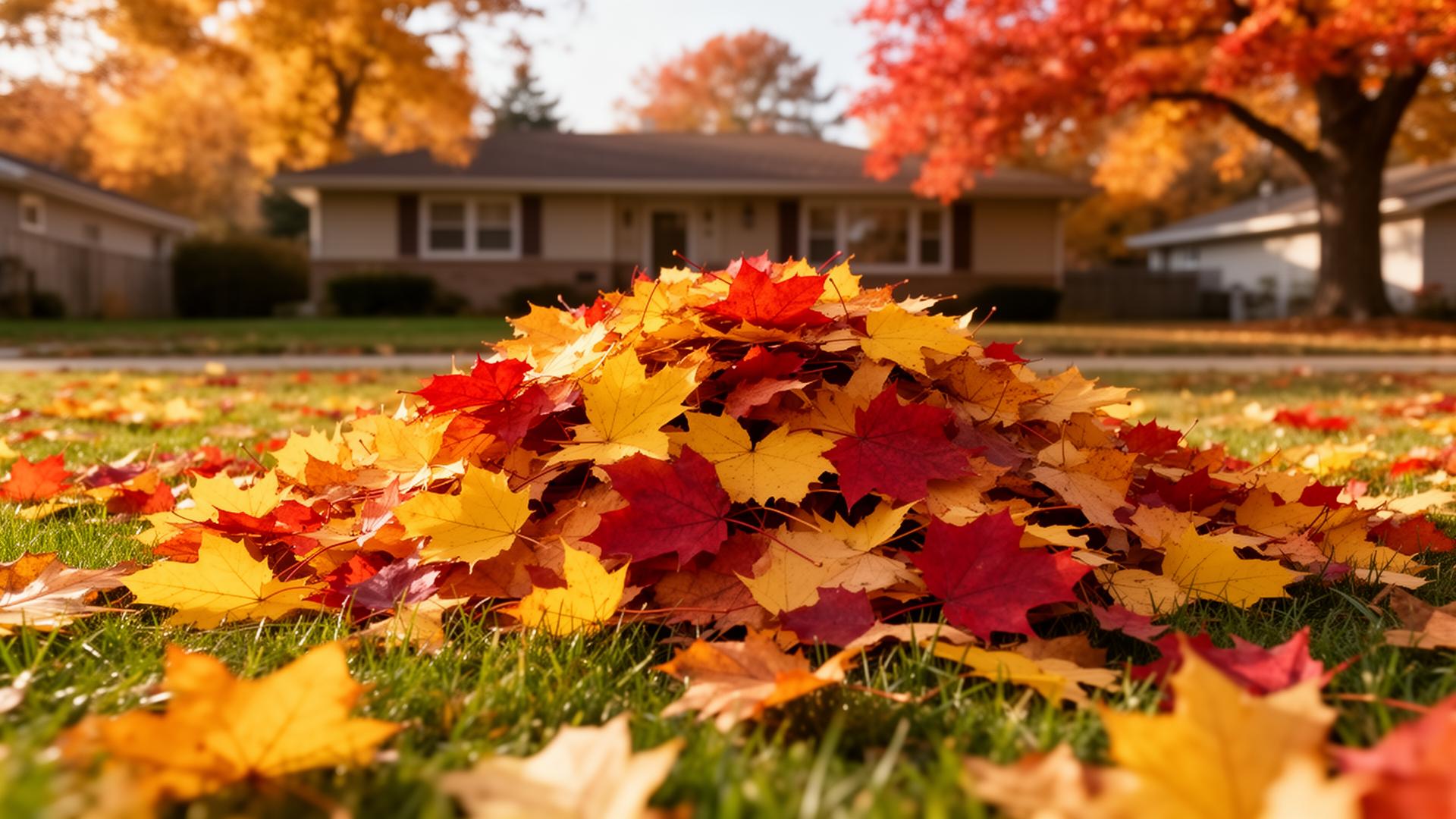
If spring is when people think about lawn care, fall is when a lot of the real improvement happens.
Summer tends to wear lawns down. Heat stress. Thin spots. Weeds. Worn paths. Dry patches. By the time cooler weather shows up, a lot of Sioux Falls lawns are ready for a reset.
That is why fall matters so much.
Most lawns around here are cool-season grasses. They respond well when the air cools off, the soil is still warm, and the pressure from summer heat starts to fade. That makes fall one of the best times to repair damage, improve thickness, strengthen roots, and get the yard cleaned up before winter.
So fall lawn care is not just about tidying things up.
It is about giving your lawn its best chance to come back thicker, healthier, and easier to manage next year.
The short version
Fall is the season to make progress.
If your lawn got beat up over the summer, this is when you can do something about it. Thin areas can be thickened up. Compacted areas can be loosened. Roots can be strengthened. Problem spots can be cleaned up and evaluated before snow arrives.
The biggest fall priorities are usually simple.
Overseed where the lawn is thin. Aerate if the soil is compacted. Fertilize with purpose. Keep mowing as needed. Stay ahead of leaves. Keep watering until conditions really shut down. Then get everything ready for winter.
Treat fall like recovery season
A lot of homeowners treat fall like the end of lawn season.
It is really more like the comeback season.
By early fall, many cool-season lawns have a chance to grow more actively again. The summer stress starts to ease, but the soil is still warm enough to support root growth and seed establishment.
This is the time to look honestly at the yard.
Where did the lawn thin out? Where did weeds move in? Where does water sit? Where does traffic keep winning? Fall is a great time to notice those patterns and finally do something about them.
Overseed thin areas while the timing is still good
If your lawn is thin, worn out, or patchy from summer, fall is usually the best time to thicken it back up.
Late summer into early fall is a strong window for overseeding because the soil is still warm, the air is cooler, and weed pressure is usually lower than it is in spring.
That makes fall a good time to fix:
- Thin turf
- Worn paths
- Small bare spots
- Areas damaged by summer stress
- Sections where weeds took over because the lawn lost density
The goal is not just to throw down seed.
It is to help the lawn get thick enough that it can compete better on its own next year.
Aerate if the soil feels tight or worn down
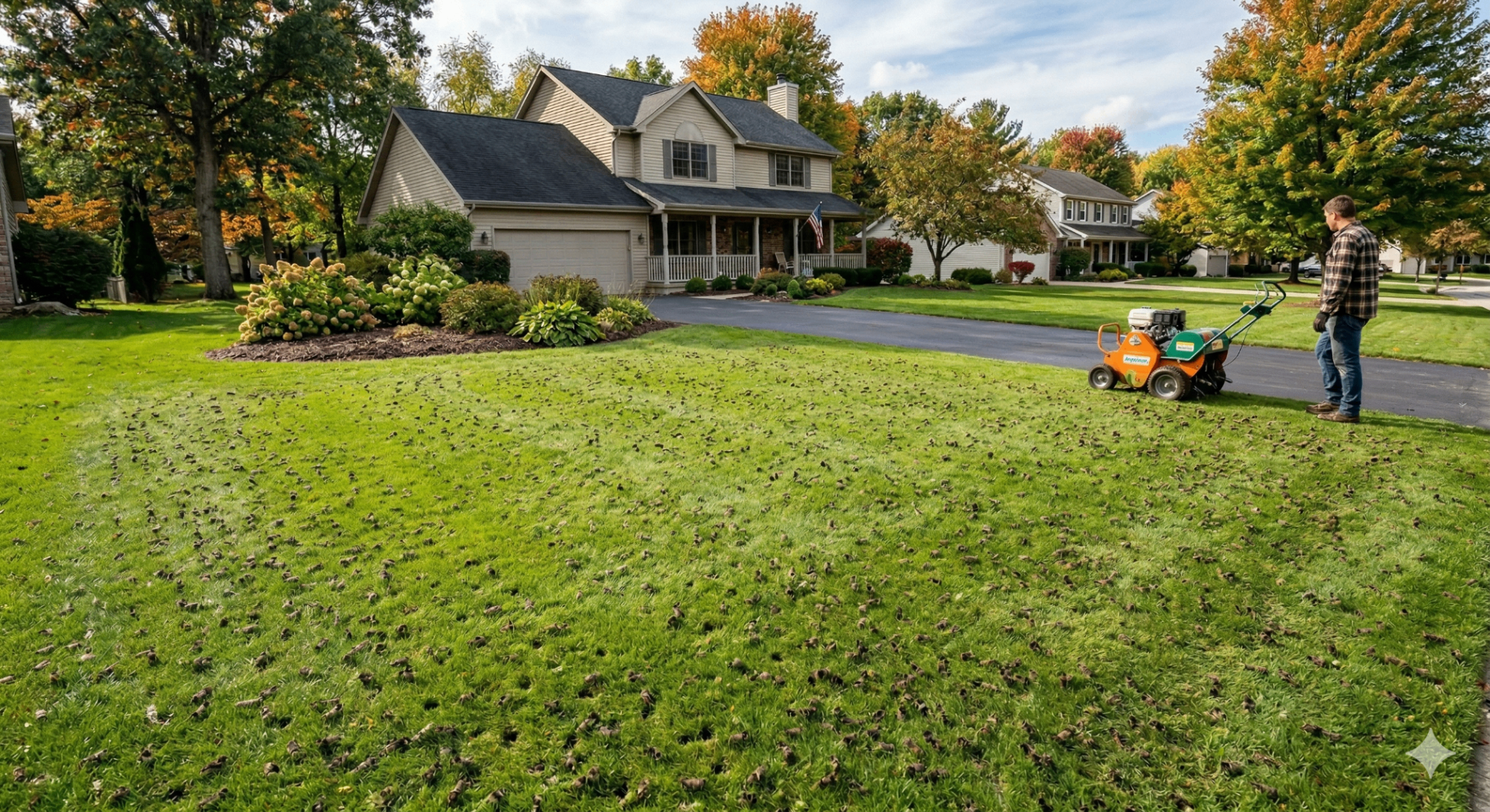
If parts of your yard feel hard, compacted, or worn out, fall is a strong time to aerate.
Aeration helps open up compacted soil so water, oxygen, and nutrients can move down into the root zone more easily. It also pairs well with overseeding because it improves seed-to-soil contact and gives new grass a better shot at getting established.
Not every lawn needs aeration every year.
But if the lawn sees heavy traffic, holds water poorly, or feels dense and tired, fall is often the right time to do it.
Fertilize with purpose, not just habit
Fall feeding can do a lot of good when it is timed and applied thoughtfully.
This is the time of year when cool-season lawns can use nutrients to recover from summer, strengthen roots, and store energy for the next growing cycle.
That does not mean more is always better.
It just means fall is usually a much better season for feeding a cool-season lawn than the hottest part of summer. If you fertilize, make it intentional and follow the product label instead of assuming more product means faster results.
Keep watering, but adjust as the season changes
A lot of homeowners stop thinking about water once the weather cools off.
But fall lawns still need moisture, especially if you are overseeding or helping the lawn recover from summer stress.
The pattern usually shifts in fall.
You often do not need the same amount of water you needed in peak summer, but you also do not want newly seeded or actively recovering areas drying out. So the move is not to keep summer watering forever. It is to adjust downward as the weather changes without shutting it all off too early.
Stay ahead of leaves
This is one of the least glamorous fall jobs, but it matters.
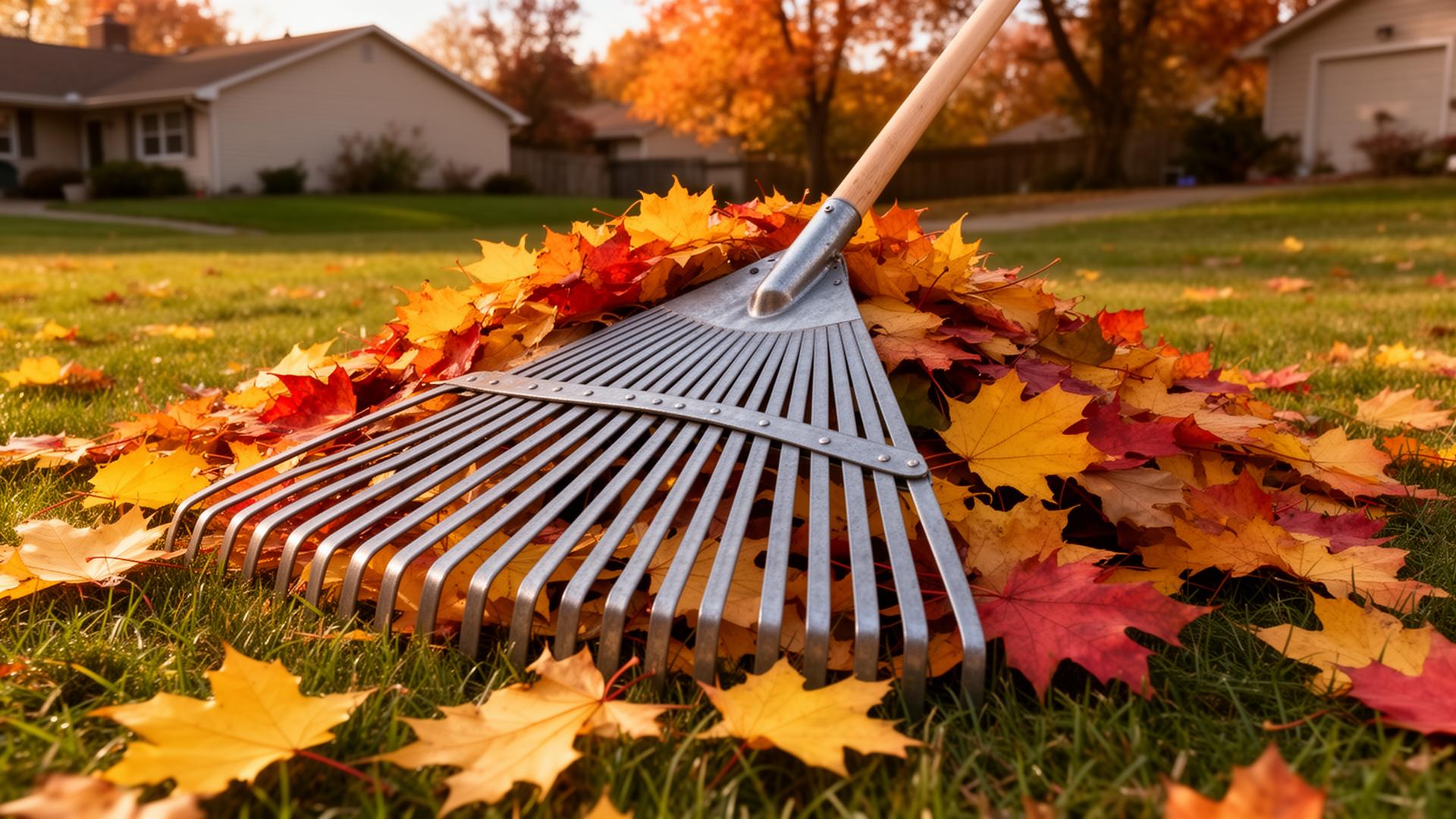
A thick layer of leaves can block sunlight, trap moisture, and leave the lawn matted underneath going into winter.
That does not mean every leaf has to be removed the second it hits the ground.
It just means you do not want the lawn buried for weeks at a time. If the leaf layer gets thick, clean it up. Mulching lighter leaf fall into the lawn can work fine in some cases, but once coverage gets heavy, the better move is removal.
Keep mowing until the lawn actually stops growing
Fall mowing usually lasts longer than people expect.
As long as the lawn is still growing, it still needs to be mowed. That said, the mowing strategy changes a bit as you get closer to winter.
Do not scalp the lawn. But do not leave it overly long and matted going into snow season either.
A clean final mowing at a slightly lower height than peak summer is usually the better move.
Clean up the edges and beds too
Fall lawn care is not just about the turf.
This is also a good time to clean up landscape beds, remove tired annuals, cut back what needs cutting back, and get mulch where it will help protect roots through winter.
This step does two things.
It helps the property look finished for the season, and it reduces the amount of mess and catch-up work waiting for you in spring.
Winterize the irrigation system before a hard freeze
This one is easy to ignore until it gets expensive.
If you have an irrigation system, fall is the time to shut it down and winterize it properly before freezing conditions cause damage.
The exact process depends on the system, but the broader point is simple.
Do not wait until after the first hard freeze and hope everything is fine.
Use fall to fix the problems summer exposed
This is one of the most useful mindsets for the season.
Summer reveals the weak points in a lawn. Fall is when you can actually address them.
If one area always dries out first, note it. If one section always gets beat up by traffic, plan for that. If one corner turns muddy, thin, or patchy every year, do not forget about it until next June. Use fall to repair what you can and make a smarter plan for what needs a bigger landscape change later.
A good fall lawn plan is not just maintenance.
It is diagnosis, cleanup, and repair.
Common fall mistakes
Waiting too long to overseed
Fall is a great seeding window, but it is not unlimited. New grass needs enough time to get established before winter.
Ignoring compaction
If the soil is tight and worn down, overseeding alone may not solve the problem. Aeration can make a big difference.
Letting leaves smother the lawn
Heavy leaf cover going into winter can create avoidable lawn problems in spring.
Cutting the grass too short all at once
The goal is a sensible final mowing, not a harsh scalp job before winter.
Turning the water off too early
New seed and recovering turf still need moisture in fall, even if the weather feels cooler.
Forgetting the irrigation system
A missed winterization step can turn into an expensive repair later.
When it makes sense to call a pro
You may be able to handle basic fall lawn care yourself if the needs are simple and the yard mostly just needs cleanup and routine attention. But it may be worth bringing in a professional if:
- The lawn is thin across large areas
- Soil compaction is obvious
- You want to overseed and aerate at the same time
- Drainage issues keep showing up
- Summer damage is more widespread than you expected
- The irrigation system needs a proper shutdown
- You want a clear plan before winter instead of another season of guessing
Sometimes fall is the best time to get ahead. And sometimes the best way to do that is getting help before the ground freezes.
Bottom line
Fall lawn care in Sioux Falls is where a lot of next year's lawn gets decided.
This is the season to thicken the turf, strengthen the roots, clean up the mess from summer, and head into winter with a better plan than you had in spring.
Overseed where the lawn is thin. Aerate where the soil is tight. Fertilize with purpose. Keep mowing as needed. Stay ahead of leaves. Keep enough moisture in the lawn. Winterize what needs winterizing.
Do that well, and spring usually gets a whole lot easier.
Ready to set up a stronger lawn for next year?
If your lawn took a hit over the summer and you want to use fall to get it back on track, we can help. We provide lawn care and landscaping services in Sioux Falls and surrounding areas.