
Winter Lawn Care in Sioux Falls: How To Protect Your Lawn Until Spring
Learn how to protect your Sioux Falls lawn through winter by avoiding snow, ice, salt, and traffic damage and setting up a healthier spring.
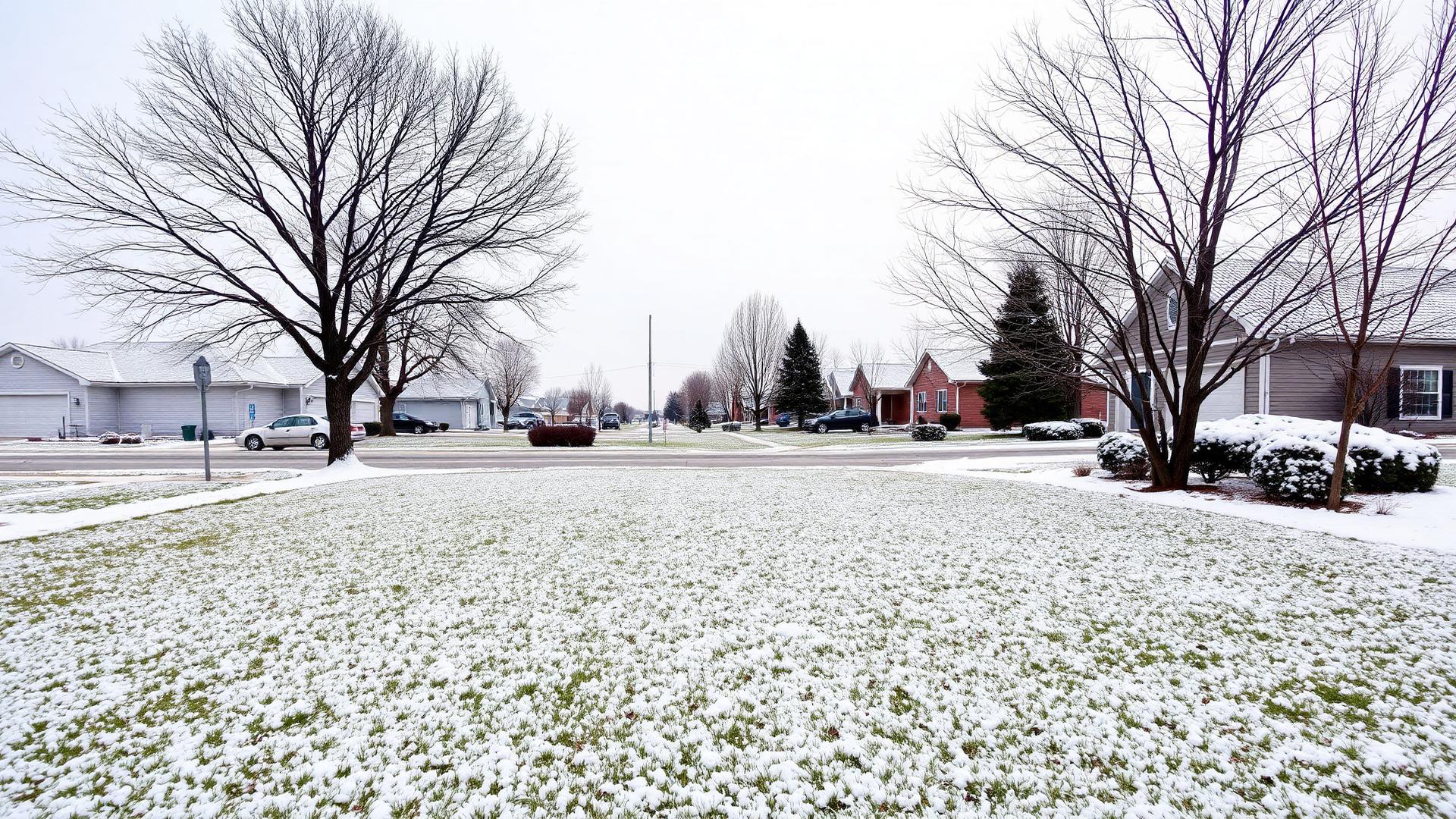
Winter lawn care looks very different from the rest of the year.
Once the ground freezes and the lawn goes dormant, there is not much active growing left to manage. You are not mowing, fertilizing, or trying to thicken the turf. At that point, the job changes.
Winter lawn care is mostly about protection.
It is about avoiding the kinds of damage that show up when the snow melts. Salt burn along sidewalks. Matted grass under heavy snow piles. Worn areas from traffic. Damage from rodents. Broken branches. The kind of problems that seem to appear out of nowhere in spring, even though they really started months earlier.
The good news is that winter lawn care is usually simpler than people think.
You do not need to do a lot.
You just need to avoid a few common mistakes and pay attention to the areas that tend to get hit hardest.
The short version
Winter is not the season to force lawn improvement.
It is the season to protect what you built in fall.
That means staying off the lawn when conditions are harsh, avoiding heavy snow piles when possible, being careful with salt near grass and landscape beds, protecting vulnerable trees and shrubs, and paying attention to the areas that usually come out of winter looking rough.
If you do that well, spring cleanup is usually a whole lot easier.
Stay off the lawn when it is frozen, snowy, or icy
This is one of the easiest winter wins.
A frozen or snow-covered lawn may look tough, but it is still easy to damage. Repeated traffic across the same area can wear down the grass, compress the snow, and leave certain spots looking rough when everything thaws out.
This is especially common along shortcuts.
The route from the driveway to the front door. The path to the mailbox. The corner people cut when the sidewalk is drifted over. If the same line gets walked over all winter, it usually shows up later.
The simple fix is to use established walkways and keep traffic off the turf as much as you can.
Be smart about where snow piles end up
Not all snow is a problem.
But big, dirty, slow-melting piles can be.
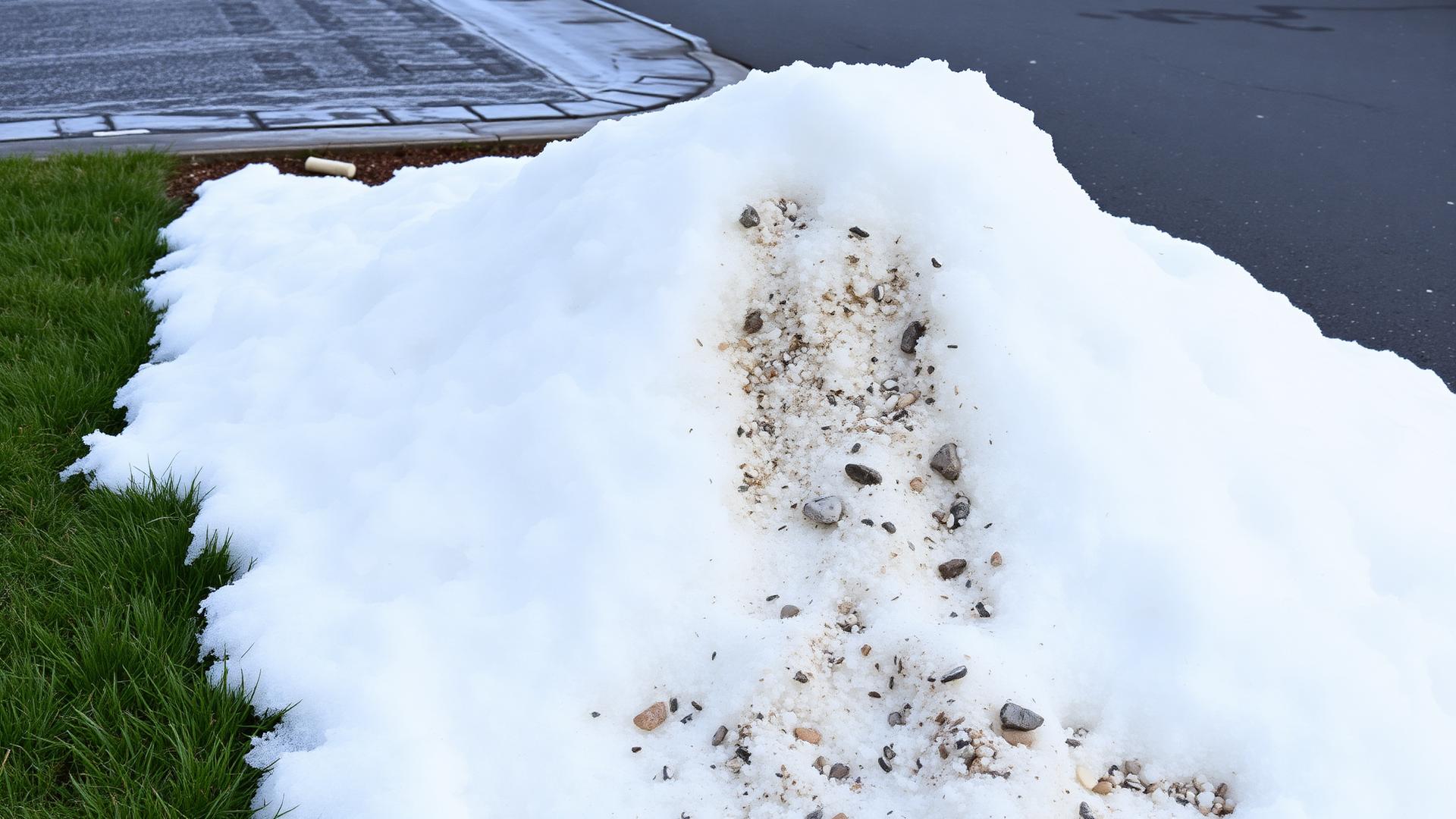
When snow gets stacked in the same place over and over, the grass underneath can stay buried longer, stay wetter longer, and come out of winter weaker than the rest of the lawn. That is especially true along driveways, sidewalks, and plowed edges where snow is mixed with ice, salt, and debris.
You do not need to obsess over every shovel load.
Just try not to bury the same section of lawn under heavy piles all winter if you can avoid it.
A more even spread is usually better than one packed mound that sits there forever.
Watch out for salt damage near pavement
This is one of the most common winter lawn problems.
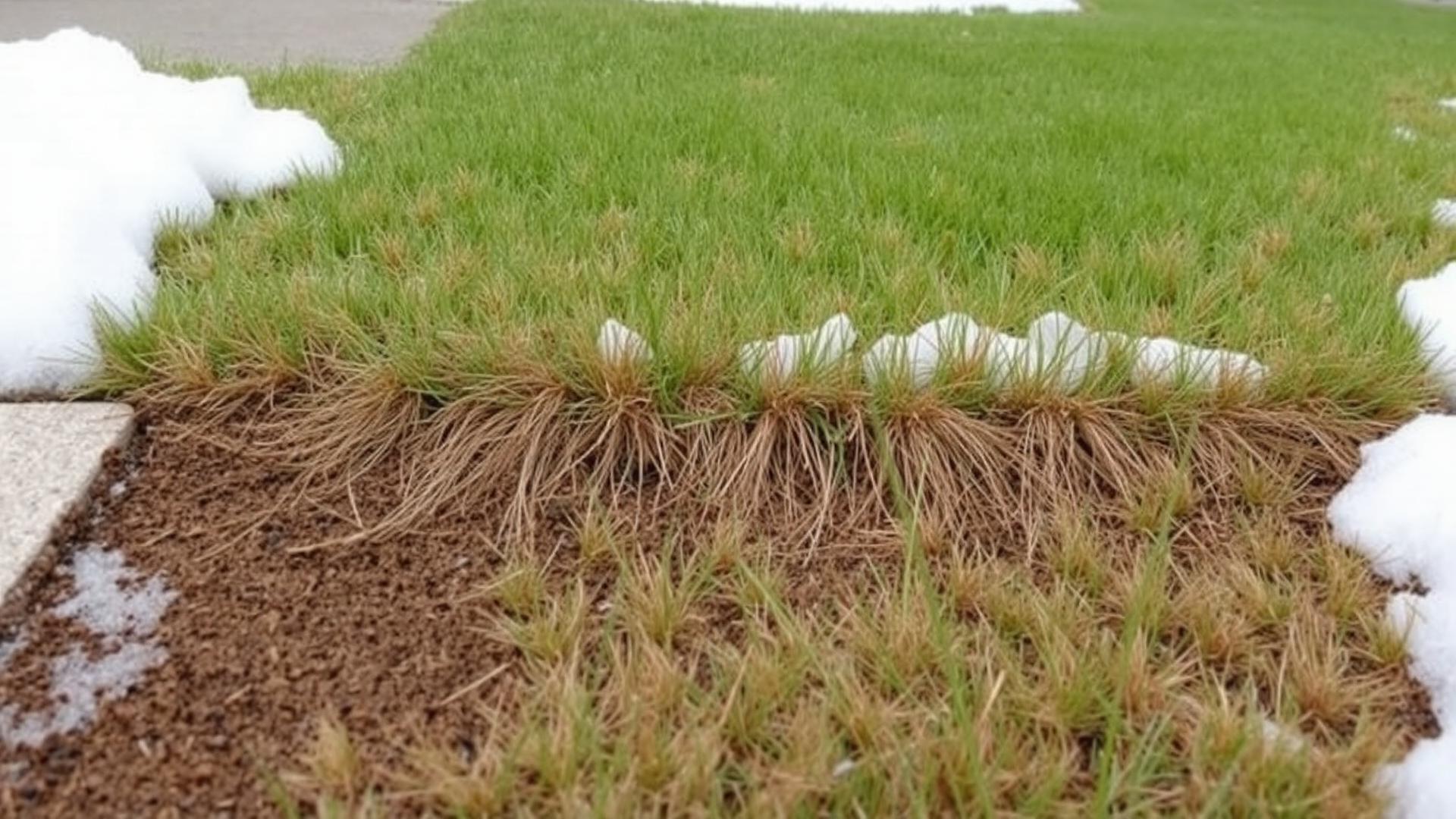
The turf along sidewalks, curbs, and driveways often takes the hardest hit from de-icing products. Salt can build up in the soil, damage roots, and leave long brown strips or patchy dead areas that show up once spring arrives.
That is why winter lawn care is not just about snow. It is also about what is in the snow.
If you use de-icer, be careful near grass and landscape beds. Use only what you need. Keep piles of salty slush off the lawn when possible. And if one strip next to the driveway gets damaged every single year, that is usually not random. It is often a salt problem.
Keep leaves and debris from sitting all winter
This work mostly happens before winter fully sets in, but it matters all season long.
If a thick layer of leaves or debris gets left on the lawn, it can trap moisture, mat the grass down, and create better conditions for winter disease issues and weak spring recovery.
That is one reason late fall cleanup matters so much.
Once winter arrives, you are not trying to make the lawn look perfect. You are trying to avoid leaving it buried under material that makes spring worse.
If there are still heavy leaf pockets or debris trapped against fences, beds, or corners before snow really settles in, it is worth cleaning them up.
Protect the edges, beds, and young plants too
Winter lawn care is not just about the turf.
The edges of the property often take the most abuse. Snow blowers push into bed lines. Salt splashes out from sidewalks. Plows scrape too close to the lawn. Decorative grasses and smaller shrubs get buried, bent, or broken.
This is a good reason to mark bed edges, young trees, sprinkler heads, and tricky corners before everything disappears under snow.
A few simple markers can prevent a lot of avoidable damage.
It also helps to make sure young trees and more vulnerable shrubs are protected before the worst winter weather settles in. A little prep goes a long way when snow, wind, and wildlife all show up at once.
Pay attention to vole and rodent damage
Some winter lawn damage does not come from weather at all.
It comes from what is hiding under the snow.
Voles and other small rodents can move through protected grassy areas during winter and leave shallow runways or chew damage behind. Sometimes the lawn grows out of it fairly quickly in spring. Sometimes it leaves rough-looking patches that need cleanup and reseeding.
The lawns and landscapes that tend to have the most rodent trouble usually have one thing in common: cover.
Thick grass, heavy mulch piled against trunks, brushy edges, and sheltered hiding spots all make things easier for them. Keeping things tidy before winter and protecting young trees can help reduce the risk.
Do not panic about snow mold too early
Snow mold is one of those lawn problems people hear about a lot, and for good reason.
It can show up after snow melts as matted, discolored patches where the grass looks flattened and rough. But this is also one of those issues that often looks worse at first glance than it really is.
The key thing to remember is this:
Winter lawn care helps reduce the risk, but you usually deal with the actual cleanup in spring.
That means your best winter move is prevention. Avoid leaving the lawn too long before winter. Stay ahead of heavy leaf cover. Do not let the lawn go into winter buried under dense debris. Then, if snow mold does show up in spring, you handle it then.
Winter is for reducing the odds, not for trying to fight it in the middle of January.
Consider dormant seeding for bare areas
This is optional, but it can be useful.
If you already know where the thin spots or bare areas are, late fall or winter can be a good time to spread seed once conditions are cold enough that it will not germinate until spring. This is called dormant seeding.
The idea is simple.
You are not trying to grow grass in winter. You are getting the seed in place so natural freeze and thaw cycles can help work it into the soil before spring arrives.
It is not the right move for every lawn, and it is not a replacement for proper fall seeding.
But for certain patchy areas, it can be a smart way to get a head start on spring repair.
Use winter to notice patterns
Winter can actually teach you a lot about your lawn.
Where do people always cut across the yard? Where does salty runoff collect? Where do snow piles always sit? Which bed edges disappear under plowed snow? Which areas stay icy the longest?
Those patterns matter.
A lot of spring lawn problems are really winter patterns repeating themselves year after year. If you notice them now, you can make better decisions later. Maybe that means adjusting where snow gets piled. Maybe it means protecting an edge better. Maybe it means changing a path, adding a bed, or planning a different surface in one high-traffic area.
Winter is a surprisingly good time to figure out why certain spots keep struggling.
Use the downtime to get ready for spring
Winter is also planning season.
This is a good time to think through what worked last year, what did not, and what you want to do differently once the weather turns. If the lawn struggled with weeds, thin turf, traffic damage, or drainage, now is a good time to make a real plan instead of waiting until the first warm weekend and guessing.
It is also a smart time to take care of the equipment side.
If the mower needs service, the blades need sharpening, or the irrigation plan needs adjustments, winter is a lot easier than scrambling in spring when everyone is trying to do the same thing at once.
Common winter mistakes
Walking the same path across the lawn all winter
Repeated traffic can leave worn or compacted areas that show up in spring.
Piling snow in the same place every time
Large snow piles can smother the grass underneath and create more winter stress.
Using too much salt near the lawn
Salt damage is a very common reason grass struggles along sidewalks, driveways, and curbs.
Leaving heavy leaves or debris in place
That can trap moisture and make winter damage worse.
Forgetting to protect young trees and bed edges
Winter damage is not limited to the lawn itself.
Waiting until spring to notice obvious winter patterns
By then, the same damage may already be done again.
When it makes sense to call a pro
You probably do not need a lot of active lawn help in the middle of winter. But it may be worth bringing in a professional if:
- You deal with repeated salt damage every year
- Snow piles are destroying the same sections of lawn
- You want help planning repairs before spring
- Rodents or wildlife keep damaging turf, trees, or shrubs
- Plowing or snow removal is affecting lawn edges and landscape beds
- You want to line up spring lawn care before the rush starts
Sometimes winter is the best time to make a smarter plan.
Bottom line
Winter lawn care in Sioux Falls is mostly about avoiding avoidable damage.
Stay off the lawn when it is frozen or buried. Be careful where snow piles go. Use salt thoughtfully. Protect bed edges, young trees, and vulnerable spots. Pay attention to the patterns that show up every winter.
You do not need to do a lot.
You just need to avoid making spring harder than it needs to be.
That is usually the difference between a lawn that bounces back well and one that starts the season already behind.
Lawn coming out of winter rough every year?
If your lawn tends to come out of winter with the same problems every year, we can help you make a better plan before spring arrives. We provide lawn care and landscaping services in Sioux Falls and surrounding areas.