
Grass, Soil, and Shade Basics for Sioux Falls Lawns
Learn the basics of grass types, soil health, and shade so you can make smarter lawn care decisions and avoid common mistakes.
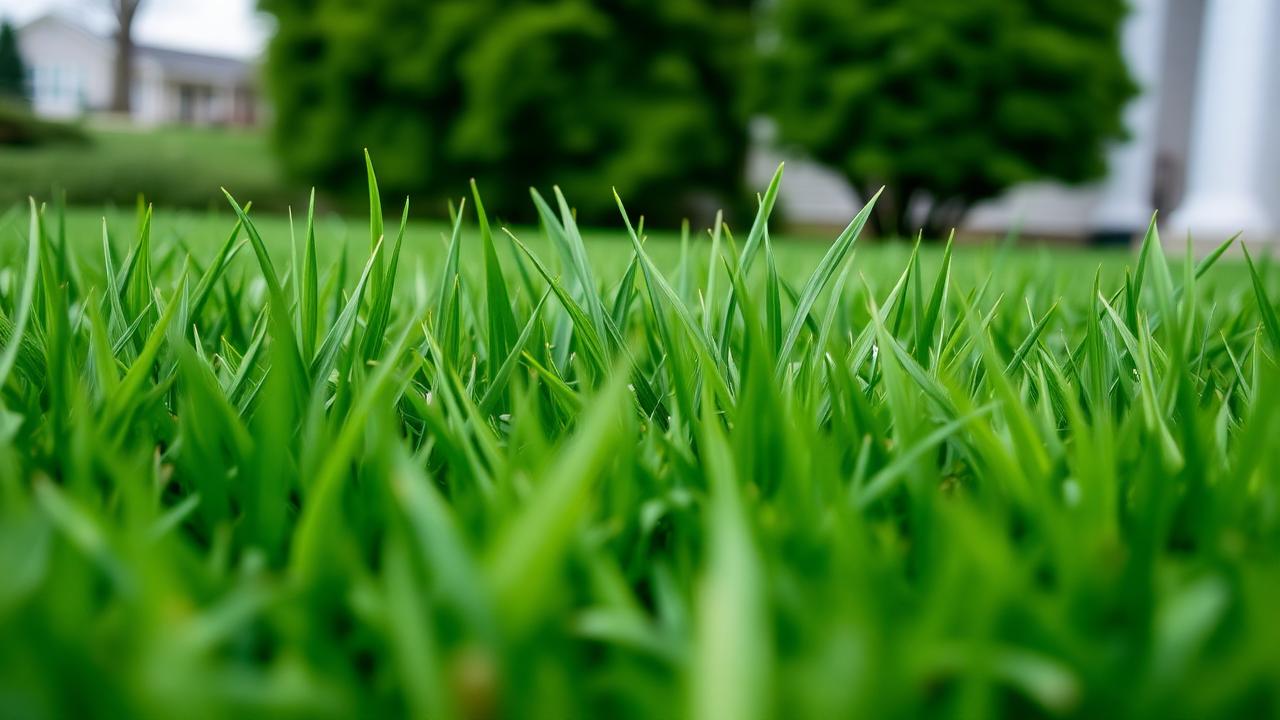
A lot of lawn frustration starts with one simple problem.
People treat every lawn like it is the same.
But it is not.
The grass growing in your front yard may not be the same as the grass in your back yard. The soil near the driveway may behave differently than the soil under a tree. The shady side of the house may need a completely different approach than the sunny open part of the lawn.
That is why this page matters.
Before you get too deep into mowing schedules, weed control, watering plans, or repair work, it helps to understand the basics. What kind of grass you have. What kind of soil it is growing in. And how sun and shade change the rules.
Once you understand those three things, lawn care gets a whole lot easier.
The short version
If you want to understand why one lawn thrives and another struggles, start here.
A healthy lawn depends on three things working together:
- the right grass for the site
- soil that can support healthy roots
- realistic expectations about sun and shade
When one of those is off, the lawn usually lets you know.
That is why the best lawn care decisions are usually not just about products.
They are about fit.
Step 1: Know what kind of lawn you are working with
Most lawns in Sioux Falls are built around cool-season grasses.
That means they do most of their best growing in the cooler parts of spring and fall. They can still do well in summer, but summer is usually more about stress management than rapid growth.
This matters because it shapes everything else.
It affects when the lawn grows fastest, when it handles repairs best, how it responds to heat, and what kind of mowing and watering habits help the most.
If you understand that your lawn is built for cooler-weather growth, a lot of seasonal lawn care starts to make more sense.
Step 2: Learn the main grass types you are likely to see
You do not need to become a turf expert to care for your lawn. But it helps to know the basic personalities of the grasses most common in this area.
Kentucky bluegrass
This is one of the most common lawn grasses in the upper Midwest. People like it because it looks good, spreads well, and can form a dense, attractive lawn. It does best in sunnier areas and generally likes a lawn care program that gives it decent support.
Fine fescue
Fine fescue is often the grass that helps in shadier parts of the yard. It is finer in texture, tends to need fewer inputs, and is often included in seed blends where shade tolerance matters. If one part of your yard struggles because of tree cover or reduced light, fine fescue is often part of the conversation.
Perennial ryegrass
This grass comes up quickly, which is one reason it is often used in seed mixes and overseeding blends. It can be helpful when quick establishment matters, though it usually works best as part of a mix instead of the whole story.
Tall fescue
Tall fescue is known for being tougher in certain situations. It tends to have deeper roots, handles wear well, and can be useful where drought tolerance or traffic tolerance matters more. It has a coarser look than Kentucky bluegrass, so some homeowners like that tradeoff and some do not.
The big takeaway is simple. Different grasses do different jobs well. A lawn usually performs better when the seed mix actually matches the site.
Step 3: Match the grass to the site
This is one of the most important lawn basics there is.
A sunny lawn, a shady lawn, a dry lawn, and a high-traffic lawn should not automatically be treated the same.
If your yard gets a lot of sun and regular use, one grass mix may make sense.
If part of your yard sits under trees and rarely dries out, another mix may work better.
If you keep reseeding a struggling shady area with the same seed you use in full sun, you may be setting yourself up for the same disappointment again.
A lot of lawn success comes from asking a simple question first:
What is this part of the yard actually like?
Step 4: Soil matters more than most people realize
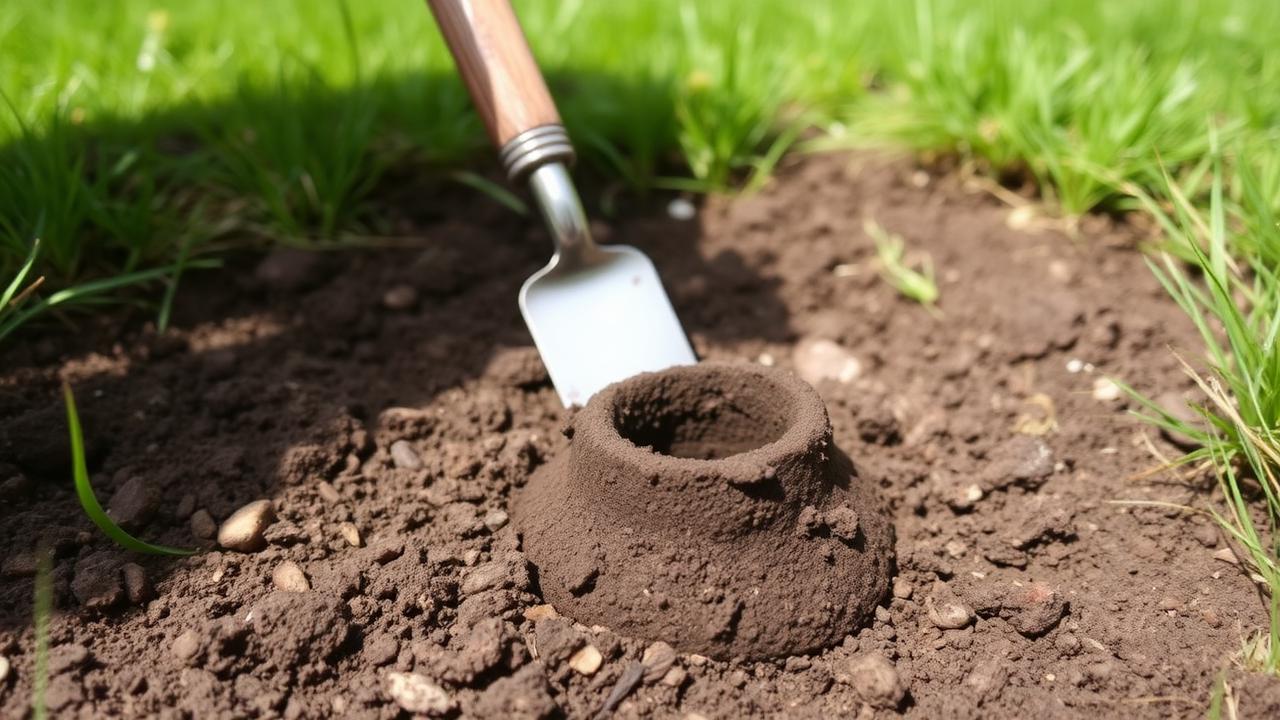
Grass gets all the attention, but soil is doing most of the work.
Your lawn can only be as healthy as the soil underneath it.
If the soil drains too fast, the lawn dries out quickly. If it drains too slowly, roots can struggle. If the soil is compacted, water and air have a harder time moving where they need to go. If the pH is off or nutrients are out of balance, the lawn may never perform the way you want it to.
That is why lawn problems that look like grass problems often turn out to be soil problems.
A weak lawn is not always asking for more product.
Sometimes it is asking for better soil conditions.
Step 5: Understand the basic soil types
You do not need a lab test to notice some broad soil patterns.
Sandy soil
Sandy soil drains quickly and tends to dry out faster. That can be helpful in wet periods, but it can also make the lawn more vulnerable during hot, dry weather.
Clay-heavy soil
Clay-heavy soil holds water longer and can hold nutrients well, but it can also compact more easily and stay wet too long in certain areas.
Loamy soil
Loam is the middle ground people usually hope for. It balances drainage and moisture-holding better than either extreme.
Most yards are not perfectly one thing.
They are a mix.
And sometimes that mix changes across the property, which is one reason one section of the lawn may behave differently than another.
Step 6: A soil test can save you a lot of guessing
A lot of homeowners try to read their lawn by color alone.
That only gets you so far.
A soil test gives you a much clearer picture of what is going on underneath. It can help you understand things like pH, nutrient levels, organic matter, and whether your soil needs adjustment before you keep throwing fertilizer or seed at the same problem.
That matters because the wrong fix can waste both time and money.
If the lawn is struggling and you do not really know why, a soil test is often one of the smartest first steps.
Step 7: Compaction can quietly wreck a lawn
Compaction is one of those problems people do not always notice right away.
They just see the symptoms.
Water sits on the surface. The lawn dries unevenly. Roots stay shallow. The grass looks thin, tired, or weak. Certain areas never seem to improve no matter what gets added on top.
That is often what compacted soil looks like.
Compaction happens when soil gets pressed too tightly together. That makes it harder for water, oxygen, and roots to move through the soil the way they should.
It is especially common in:
- high-traffic areas
- side yards
- paths people cut across the lawn
- heavy clay areas
- spots where equipment runs regularly
If a lawn keeps struggling in the same worn-down area, compaction should be on the list.
Step 8: Organic matter helps the soil work better
When people hear "organic matter," it can sound abstract.
It really is not.
This is the part of the soil that helps it hold moisture better, drain better, support soil life, and create a healthier environment for roots.
That is why compost and soil improvement come up so often in lawn conversations. In the right situations, they can help improve soil structure and make the lawn more resilient over time.
It is not about turning your yard into a science project.
It is about helping the soil work more like good soil should.
Step 9: Shade changes the rules
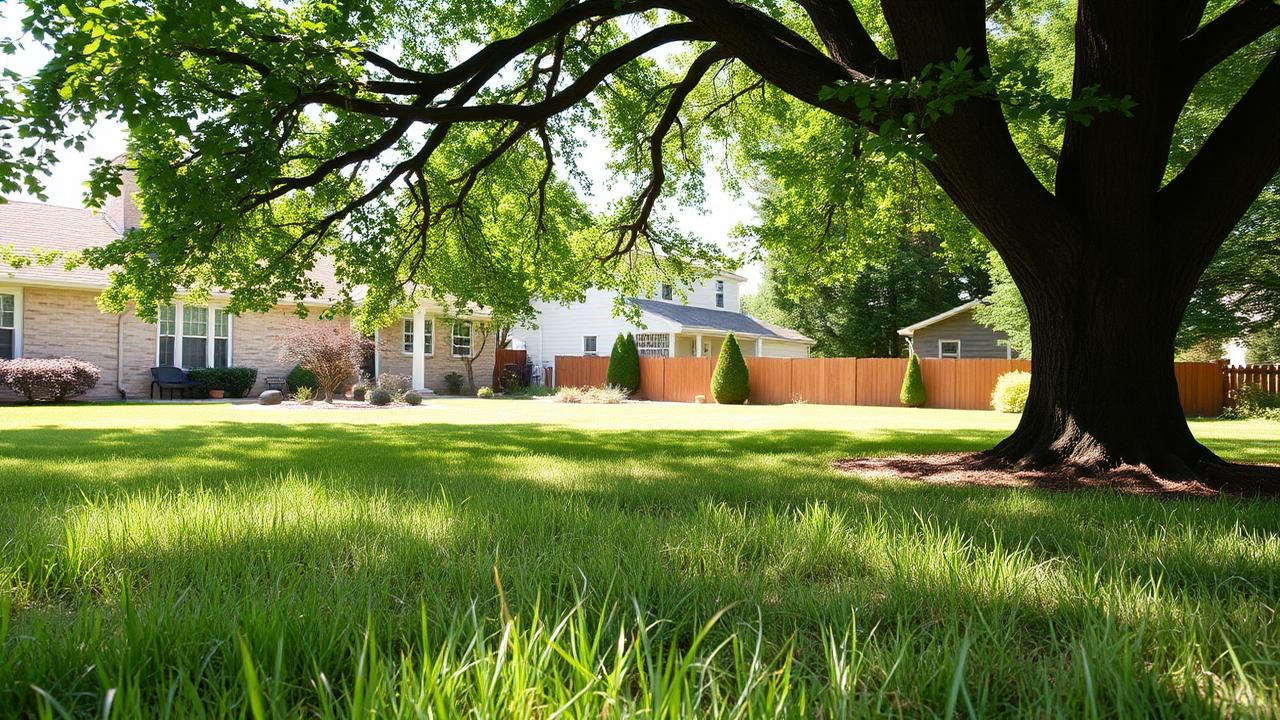
This is one of the biggest lawn reality checks for homeowners.
Grass in the shade does not behave like grass in full sun.
Shaded areas usually stay cooler. They often stay damp longer. They may grow more slowly. Under trees, they may also compete with roots for water and nutrients. That is a big reason shaded areas often look thinner, paler, and more uneven than the rest of the yard.
This is where many people get frustrated.
They try to force a sunny-lawn strategy onto a shady-lawn problem.
Usually that does not work.
Shade often means:
- using more shade-tolerant seed blends
- mowing a little higher
- watering more carefully
- reducing traffic
- being realistic about how thick the turf can get
Once you accept that shade changes the game, the lawn starts making more sense.
Step 10: Not all shade is the same
This is a helpful detail that gets missed all the time.
There is a big difference between:
- light shade
- partial shade
- tree shade
- deep shade
- shade from a building
- shade that only happens during part of the day
Some lawns can do fine with a few hours less sun.
Some lawns are trying to grow grass in places that are simply too shaded for strong turf.
That is why one shady area might improve with a better seed mix and a few care changes, while another might never become a thick lawn no matter how much effort goes into it.
Knowing the difference can save you a lot of wasted work.
Step 11: Sometimes the best answer is not more grass
This is not always what homeowners want to hear, but it is often the truth.
If an area is deeply shaded, constantly wet, packed down by traffic, or heavily competed by tree roots, the smartest move may not be to keep forcing turf.
Sometimes the better long-term solution is:
- expanding a mulch bed
- creating a shade garden
- adding groundcover
- building out a path
- changing the landscape design in that area
That is not giving up on the lawn.
That is making a smarter decision about what belongs where.
Step 12: Pay attention to microclimates in your yard
Even within one property, different areas can behave like different little climates.
One spot may be hotter because it sits next to a driveway or wall. Another may stay cooler and damper because it is low or shaded. One section may catch more wind. Another may be protected and hold moisture longer.
These little differences matter.
They affect how the grass grows, how fast the soil dries out, how weeds show up, and why one side of the property always seems a step ahead or behind the other.
A lot of good lawn care is really just learning how your yard behaves.
Once you notice those patterns, you can make better decisions everywhere else in the guide.
Common mistakes with grass, soil, and shade
Using the same seed everywhere
A lawn in full sun and a lawn under tree shade often need different grass blends.
Treating every weak lawn like a fertilizer problem
If the real issue is compaction, shade, drainage, or soil pH, more fertilizer may not help.
Ignoring soil conditions
Grass health starts below the surface. If the soil is struggling, the lawn usually will too.
Forcing turf in deep shade
Some spots are never going to become thick, healthy grass without more light.
Overlooking microclimates
One section of the yard may need a different plan than another.
When it makes sense to call a pro
You may be able to handle the basics yourself if you are just trying to better understand your yard and make smarter maintenance decisions.
But it may be worth bringing in a professional if:
- you are not sure what kind of grass is in the lawn
- certain areas keep failing no matter what you try
- you suspect compaction, poor soil, or drainage problems
- shade is making parts of the yard hard to maintain
- you want help choosing the right seed mix or deciding whether turf is even the right solution in one area
Sometimes the biggest improvement comes from diagnosing the site correctly before you spend more money on the lawn.
Bottom line
A healthier lawn usually starts with a better read on the yard.
Know what grass you are working with. Pay attention to the soil under it. Be honest about how much sun and shade each area gets. Then match your plan to the reality of the site.
That is how lawn care gets easier.
And that is usually how lawns start looking better too.
Not sure if the problem is the grass, the soil, or the shade?
If your lawn has areas that never seem to respond the way they should, we can help you figure out whether the issue is the grass, the soil, the shade, or the site itself. We provide lawn care and landscaping services in Sioux Falls and surrounding areas.